Flooring projects are crucial in home improvements, often transforming the entire aesthetic and functionality of a space. However, embarking on such an undertaking requires careful consideration and an understanding of various factors that impact the success of the project. This article delves into the common and costly mistakes individuals often make when attempting DIY flooring projects and illustrates how professional flooring companies prevent these errors.
Professional flooring companies bring invaluable expertise to the table, ensuring the selection of appropriate materials, accurate measurements, and optimal installation techniques. They also supply critical insights into maintaining your floors and foreseeing potential pitfalls DIY enthusiasts may overlook. By understanding these aspects, homeowners can make informed decisions and avoid unnecessary expenses.
Despite the allure of handling home projects independently, the intricate and technical nature of flooring installation often necessitates professional involvement. According to PR Newswire, 60.87% of homeowners expressed their intention to install flooring themselves rather than hiring professionals, highlighting a significant inclination towards DIY approaches. However, without proper expertise, these endeavors might lead to costly mistakes that could have easily been avoided with professional guidance.
1. Choosing the Wrong Type of Flooring
1.1. Inappropriate Material for Environment
One of the most prevalent mistakes in DIY flooring projects is selecting an inappropriate material for the environment. Homeowners often focus on aesthetic appeal without considering the material's suitability for specific conditions, such as humidity and temperature variations. For instance, using hardwood in a damp basement might lead to warping and moisture damage over time. Professional flooring companies assess the environmental conditions and recommend materials best suited to withstand those specific circumstances. This expertise prevents future damage and maximizes the longevity and effectiveness of the flooring.
1.2. Misjudging Traffic Levels
Another common mistake in DIY flooring projects is misjudging the expected traffic levels in different areas of the home. High-traffic areas like hallways and kitchens require more durable flooring than low-traffic spaces such as guest rooms. DIY enthusiasts might overlook these considerations, leading to premature wear and tear, reducing the floor's lifespan. Flooring professionals assess the intended use of each space to recommend flooring options that match the expected traffic, ensuring durability and long-term satisfaction. Through expert advice, they mitigate unnecessary expenses stemming from flawed material selection.
1.3. Ignoring Moisture Concerns
Moisture management is a critical consideration often underestimated by DIYers, leading to severe flooring issues down the line. Moisture can wreak havoc on certain flooring types, promoting mold growth, warping, or disintegration. Flooring professionals evaluate the space for moisture concerns and propose solutions like moisture barriers that protect the flooring investment. By incorporating these preventive measures, professional companies curtail moisture-related damage, ensuring the flooring remains in optimal condition over the years. Homeowners who neglect these considerations often face costly repairs and replacements that could have been circumvented with expert insight.
1.4. Neglecting Durability Needs
Many DIY enthusiasts prioritize immediate visual appeal over long-term durability when choosing materials, leading to regret later on. A lack of foresight into durability needs can result in selecting materials that wear out quickly and unplanned expenses. Flooring companies provide invaluable advice, offering insights into materials that balance aesthetics and resilience.
2. Inaccurate Measurement and Planning
2.1. Faulty Room Measurements
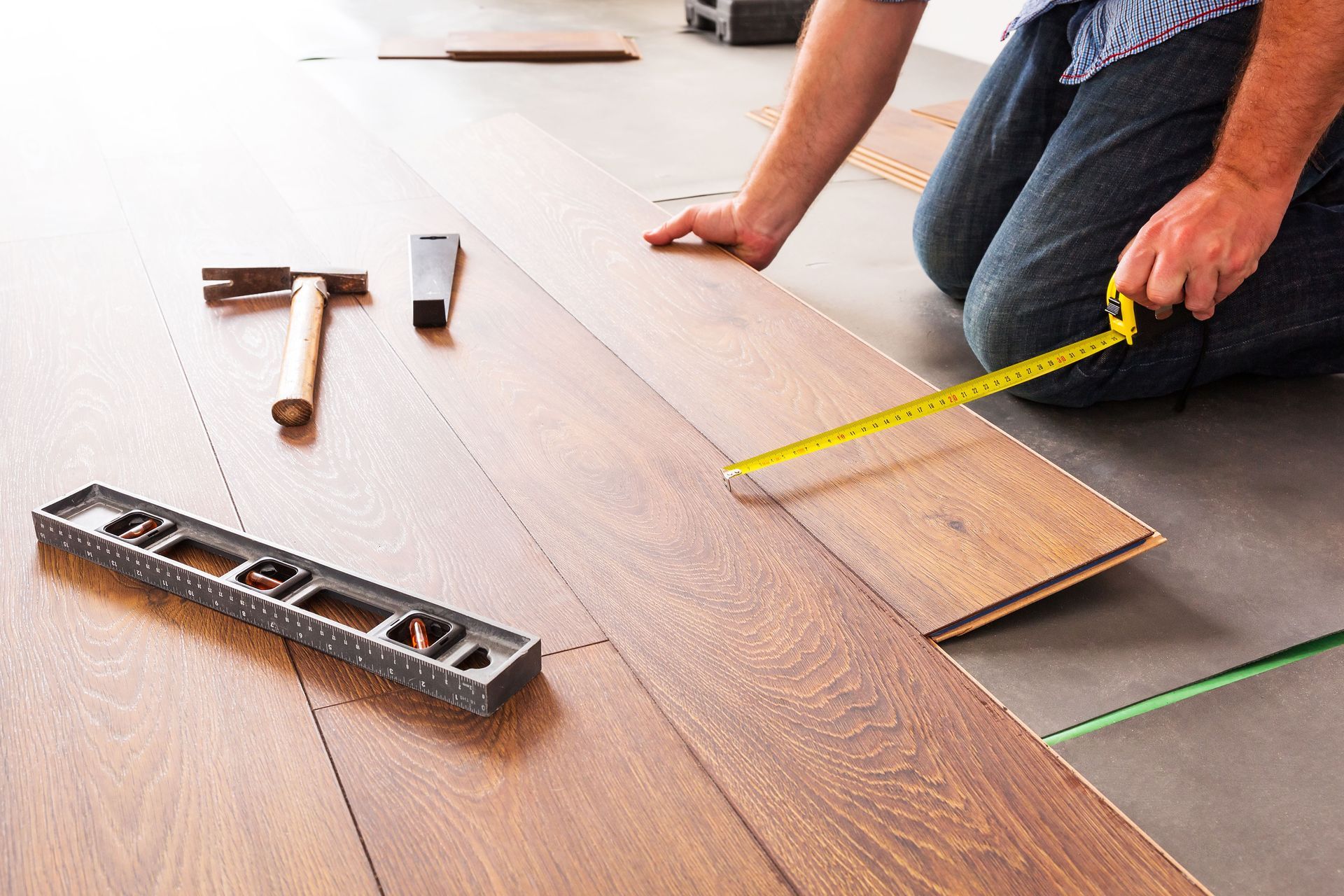
One of the first steps in a flooring project is measuring the space accurately, a task that many DIYers inadvertently miscalculate. Faulty room measurements can lead to ordering either too much or too little material, resulting in increased costs and project delays. Professional flooring companies utilize precise measuring techniques and have tools to account for detailed layouts, ensuring the right amount of material is purchased. Their experience allows for accurate evaluations, preventing the logistical headaches and financial repercussions of incorrect measurements. Accurate measurements from professionals lead to an efficient and seamless planning process, establishing the foundation for a successful installation.
2.2. Ignoring Waste Factor
Another common oversight in DIY flooring projects is neglecting to account for the waste factor inherent in any installation job. Waste factor is the percentage of materials thrown away due to cutting and fitting around obstacles within a room. Many DIY projects experience setbacks when insufficient materials are available to complete the job due to unanticipated waste. Professional flooring installers factor in the expected waste during the planning stage, averting unexpected shortages and unnecessary delays. This careful planning avoids the added time and expense of reordering materials midway through the project, ensuring continuity and completion on schedule.
2.3. Overlooking Floor Layout Complexity
DIYers can easily underestimate the complexity of certain floor layouts, overlooking the challenges involved with intricate patterns or unique room shapes. Such miscalculations can lead to flawed installations that misalign with the aesthetic vision or functional needs of the space. Professional flooring companies have experience managing various floor layouts, offering solutions and custom designs that address specific challenges. Their expertise ensures an installation that reflects the intended design and meets the spatial requirements of the room. Understanding the intricacies of floor layout prevents costly misalignments and enhances the overall installation quality.
2.4. Miscalculating Transition Spaces
Transition spaces between different types of flooring are often misjudged in DIY projects, leading to awkward gaps or mismatches. These areas require careful planning to create seamless transitions that maintain a harmonious flow throughout the home. Professional flooring companies possess the necessary expertise to accurately calculate these spaces, providing solutions that ensure smooth transitions while enhancing the visual cohesion. Such professional insight maintains consistent quality, preventing the aesthetic and functional disruption that poorly managed transitions might cause. Effective planning of transition spaces is essential in achieving an integrated and elegant overall design for the flooring.
3. Inadequate Subfloor Preparation
3.1. Overlooking Subfloor Leveling
One frequent mistake in DIY flooring projects is overlooking the critical need for a level subfloor. Uneven surfaces beneath the flooring can cause various issues such as squeaking, wear points, and even cracks. Many homeowners attempt to install flooring directly on uneven subfloors, unaware of the problems it presents. Professional flooring installers meticulously level the subfloor, ensuring a smooth and even surface to lay the flooring. This expert handling guarantees the new flooring's longevity and functionality, preventing uneven wear or premature degradation due to improper surface conditions.
3.2. Ignoring Moisture Barriers
Being complacent about moisture barriers is a common oversight in DIY flooring, with many underestimating its importance in preventing moisture damage. Moisture barriers are crucial, especially in areas like basements where dampness is prevalent, protecting against potential damage like warping or mold growth. Professional flooring companies conduct thorough assessments to identify moisture risks and recommend the installation of appropriate moisture barriers. Their proactive approach in safeguarding against moisture enhances the durability and performance of the flooring. Ignoring this step can lead to significant restoration costs, underscoring the importance of professional guidance in such technical aspects.
3.3. Skipping Subfloor Repairs
Skipped subfloor repairs often emerge as a recurrence in DIY flooring errors, where homeowners overlook or minimize existing damage. This oversight can result in progressive deterioration, manifesting as damaged sections of newly installed flooring. Professionals prioritize addressing any subfloor issues before proceeding with the installation to ensure a stable foundation. Their thorough inspections and repairs circumvent the progression of minor issues into significant flaws, which could detrimentally affect the flooring above. Addressing these repairs upfront allows for a seamless and durable floor installation, highlighting the benefit of professional diligence.
Another mistake frequently noted in DIY flooring projects is disregarding the importance of cleaning and removing debris from the subfloor before installation. Little attention is given to debris and dust, which can impede the adhesion of flooring materials, potentially leading to flooring failures. Flooring professionals meticulously clean the subfloor, eliminating any particles that might interfere with installation quality. This diligence ensures an optimal bonding surface, enhancing the installation's stability and effectiveness. Neglecting this preparatory step often sets the stage for future complications that could require significant remedial efforts to address. Be sure to reach out to Red River Carpet & Tile for more information on our professional flooring companies!